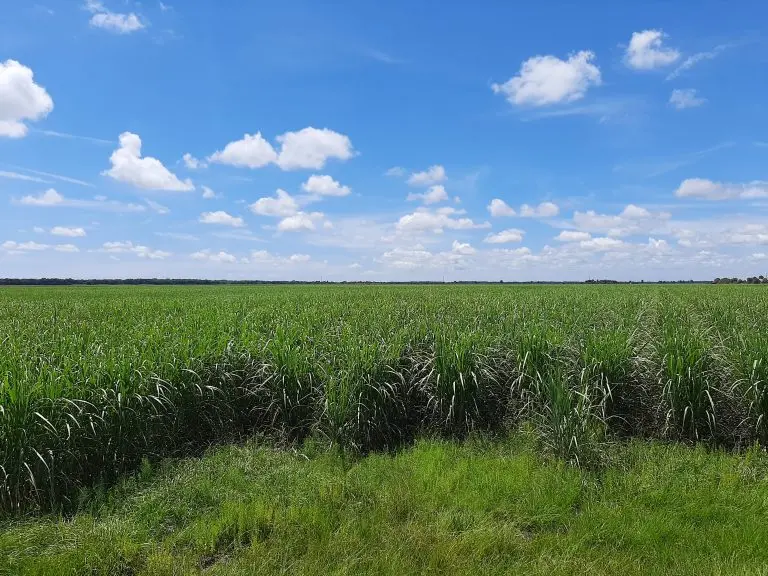
Sugarcane is a major C4 crop and an important feedstock for biofuel production. However, its complex, highly polyploid genome, which contains typically 12 or more copies of each gene, presents a major challenge to trait engineering and crop improvement. While early genome-editing efforts in sugarcane relied primarily on CRISPR/Cas9, the requirement for a G-rich sequence adjacent to the target limits its ability to edit AT-rich regulatory regions that may play important roles in regulating genes associated with yield and other important agronomic traits.
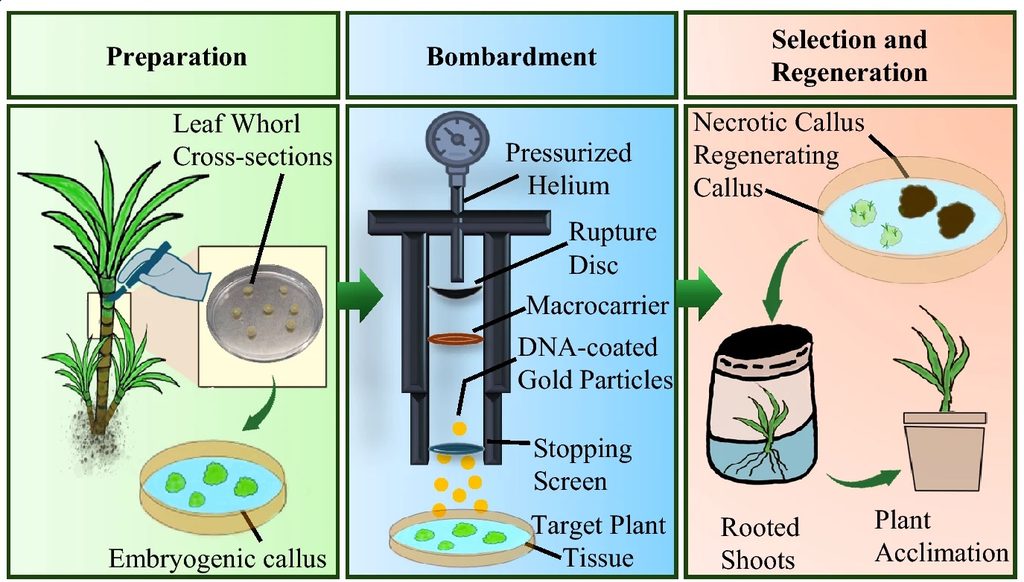
To address these challenges, researchers at the Center for Advanced Bioenergy and Bioproducts Innovation (CABBI) successfully demonstrated the first CRISPR/Cas12a-mediated gene editing in sugarcane. By deploying Cas12a nuclease variants and co-expressing an exonuclease (mTREX2), the team created a robust platform capable of making targeted, multi-copy edits and larger genetic deletions in sugarcane. This breakthrough provides a flexible molecular toolkit to fine-tune essential crop traits, helping secure resilient domestic supply chains for fuels, chemicals, and industrial products.
Key Breakthroughs for U.S. Feedstocks
- Expanding the Editing Scope: While CRISPR/Cas9 tools are restricted to GC-rich target regions, the Cas12a system targets AT-rich genomic zones, opening critical regulatory sequences for precision engineering in sugarcane.
- Boosting Efficiency Across Multiple Gene Copies: By incorporating intron sequences into the Cas12a gene and deploying the engineered LbCas12a-RRV variant, researchers achieved editing efficiencies between 31% and 85% when targeting the multi-copy gene.
- Expanded Deletion Sizes for Trait Engineering: Co-expressing the mTREX2 exonuclease increased large genetic deletions (≥ 51 base pairs) by seven-fold. This provides a targeted strategy to disrupt cis-regulatory elements and fine-tune crop traits using a single target guide RNA.
By expanding the precision editing toolbox for polyploid feedstocks, this study accelerates the development of optimized sugarcane lines tailored for commercial processing. Enhanced genetic control over U.S. feedstock crops directly supports national efforts to scale up domestic manufacturing of fuels, platform chemicals, and industrial products derived from agricultural biomass.
Study Details & Metadata
- Article Title: mTREX2 co-expression promotes large deletions in CRISPR/Cas12a editing of the highly polyploid sugarcane genome
- Journal: Plant Cell Reports
- DOI: 10.1007/s00299-026-03935-1
- Funding & Support: This work was supported by the Center for Advanced Bioenergy and Bioproducts Innovation (CABBI), a Bioenergy Research Center funded by the U.S. Department of Energy (DOE).
- Principal Investigator Contact: Fredy Altpeter – altpeter@ufl.edu
AI Acknowledgement: This summary was prepared with the assistance of an AI collaborator.